A fresh car wash makes your vehicle look stunning.
But what happens between washes matters even more.
Dust, UV rays, bird droppings, and road grime constantly attack your paint. If you ignore small issues, they turn into permanent damage.
You do not need complicated tools to protect your paint. You need smart habits and consistent care.
Let’s explore essential car care tips to protect your paint between washes and maintain that showroom shine.
Introduction
Your car’s paint does more than enhance appearance.
It protects the metal body from corrosion, oxidation, and environmental damage.
When you maintain your paint properly, you extend your vehicle’s life and preserve resale value.
Simple, consistent care prevents costly repairs.
Follow these proven strategies to keep your vehicle looking flawless every day
Why Paint Protection Matters
Car paint faces daily threats:
● Sun exposure
● Acid rain
● Dust and pollution
● Bird droppings
● Tree sap
● Road salt
Even small contaminants can stain or etch the surface.
Protecting your paint ensures long-lasting shine and structural protection.
1. Remove Bird Droppings Immediately
Bird droppings contain acidic compounds.
If you leave them on the surface, they damage clear coat layers.
Keep microfiber cloths and a quick detail spray in your car.
Gently clean affected areas as soon as possible.
Quick action prevents permanent stains.
2. Avoid Parking Under Trees
Trees drop sap, pollen, and debris.
Sap hardens quickly and sticks to paint.
Frequent exposure increases surface contamination.
Whenever possible, park in covered areas or garages.
Shade protects your paint from UV rays and falling debris.
3. Use a Microfiber Cloth Only
Never wipe your car with rough fabrics.
Improper materials create micro-scratches.
Always use clean microfiber cloths for dust removal or spot cleaning.
Microfiber lifts dirt safely without grinding particles into the paint.
Clean tools protect your finish.
4. Apply a Protective Wax or Sealant
Wax creates a protective barrier.
It helps repel water, dirt, and contaminants.
Apply wax every few weeks or choose a professional protective coating.
Sealants extend protection longer than basic wax.
A protective layer maintains shine and prevents oxidation.
5. Wash Dust Off Gently
Dust may look harmless, but it scratches paint when wiped dry.
If your car collects dust, rinse it lightly instead of dry wiping.
Use a soft water spray to loosen particles first.
Gentle care preserves surface clarity.
6. Avoid Automatic Brush Washes
Some traditional car washes use abrasive brushes.
These brushes create swirl marks.
Choose touchless Smartwash systems that clean effectively without harsh contact.
Touchless technology protects your paint and maintains gloss.
7. Protect Against UV Damage
Sunlight fades paint over time.
UV rays break down protective clear coat layers.
Use UV-protective wax or ceramic treatments.
Parking in shaded areas also reduces exposure.
Sun protection keeps your paint vibrant.
8. Keep Your Car Covered During Extreme Weather
Heavy rain, hail, and dust storms damage surfaces.
If you do not have a garage, use a breathable car cover.
Avoid plastic covers that trap moisture.
Proper covering shields your paint from environmental damage.
9. Clean Wheels Carefully
Brake dust spreads to body panels.
If you ignore wheels, particles transfer to paint.
Clean wheels with separate cloths and tools.
Never mix wheel brushes with body cleaning cloths.
Prevent cross-contamination.
10. Schedule Regular Premium Washes
Even with careful maintenance, professional care matters.
Premium washes provide:
● Deep cleaning
● Protective coating
● Spot-free rinse
● Gloss enhancement
Regular visits to Cloud10 Smartwash keep your vehicle protected between routine maintenance.
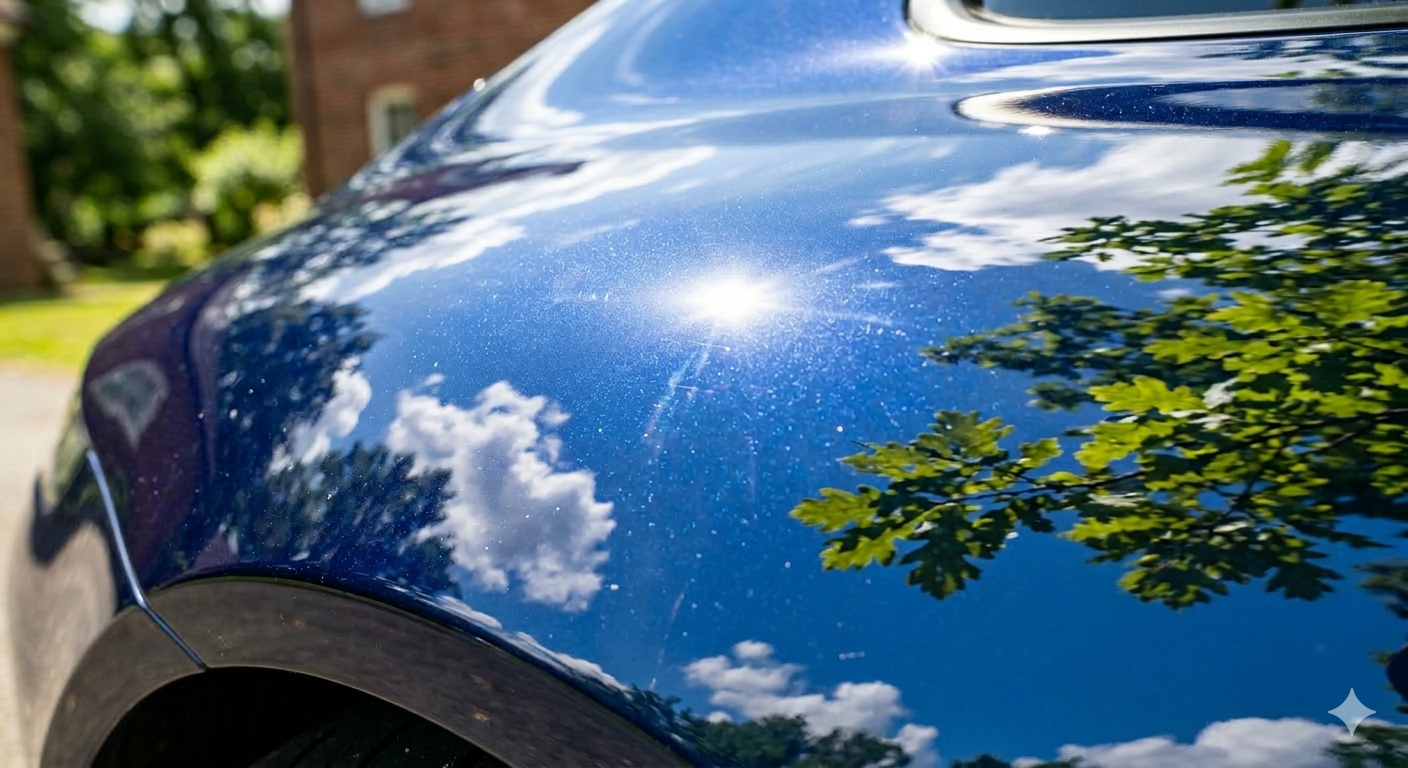
Benefits of Proper Paint Care
When you protect your paint properly, you enjoy:
● Longer-lasting shine
● Higher resale value
● Reduced repair costs
● Fewer scratches
●Improved overall appearance
Consistent care saves money in the long run.
Common Mistakes That Damage Car Paint
Avoid these common errors:
1. Using Dish Soap
Household soap strips protective layers.
2. Dry Wiping Dust
Dust causes swirl marks.
3. Ignoring Minor Stains
Small stains become permanent damage.
4. Skipping Protective Treatments
Unprotected paint fades faster.
5. Using Dirty Towels
Contaminated cloths scratch surfaces.
Correct these mistakes to maintain a flawless finish.
Practical Weekly Car Care Routine
Follow this simple routine:
● Inspect your vehicle for bird droppings or sap.
● Lightly rinse dust if necessary.
● Wipe gently with microfiber cloth.
● Park in shaded or covered areas.
● Schedule a premium wash when buildup appears.
Consistency ensures lasting protection.
Future Trends in Car Paint Protection
In 2026, advanced protective solutions continue to grow.
Expect more use of:
● Ceramic coatings
● Graphene-based treatments
● Hydrophobic surface technology
● UV-resistant sealants
Modern protection keeps vehicles looking new longer.
Investing in professional-grade treatments delivers better results than DIY methods.
Conclusion
Protecting your car’s paint between washes does not require complex steps.
It requires smart habits.
Remove contaminants quickly, use proper materials, apply protective coatings, and choose professional wash services.
Your vehicle reflects your care.
If you want long-lasting shine and advanced protection, visit Cloud10 Smartwash for premium services designed to protect your vehicle year-round.
Drive confidently knowing your paint stays protected and brilliant.
Frequently Asked Questions (FAQs)
1. How often should I wax my car?
Apply wax every four to six weeks for consistent protection.
2. Does sunlight really damage car paint?
Yes. UV rays break down clear coat and cause fading.
3. Can dust scratch car paint?
Yes. Dry wiping dust creates micro-scratches.
4. Is touchless washing safer for paint?
Yes. Touchless systems reduce surface contact and minimize scratches.
5. How quickly should I remove bird droppings?
Remove them immediately to prevent acid damage.
6. Do ceramic coatings last longer than wax?
Yes. Ceramic coatings provide longer-lasting protection compared to traditional wax.