

Introduction
Modern vehicles require more than just regular washing. With increasing exposure to pollution, UV rays, road grime, and harsh weather, car owners are now investing in advanced surface protection technologies.
Two of the most popular options in 2026 are ceramic coatings and graphene protection treatments. Both offer long-lasting shine and defense against environmental damage — but they are not exactly the same.
If you are unsure which option suits your vehicle, this guide will help you understand the differences between ceramic and graphene car wash protection, their benefits, and how to choose the right solution for your needs.
What Is Ceramic Car Protection?
Ceramic coating is a liquid polymer applied to a vehicle’s exterior surface. It chemically bonds with the paint and forms a protective layer that shields the car from contaminants.
Key Features of Ceramic Coating
● Hydrophobic (water-repellent) surface
● UV and oxidation resistance
● Enhanced gloss and shine
● Protection against light scratches
● Easier cleaning
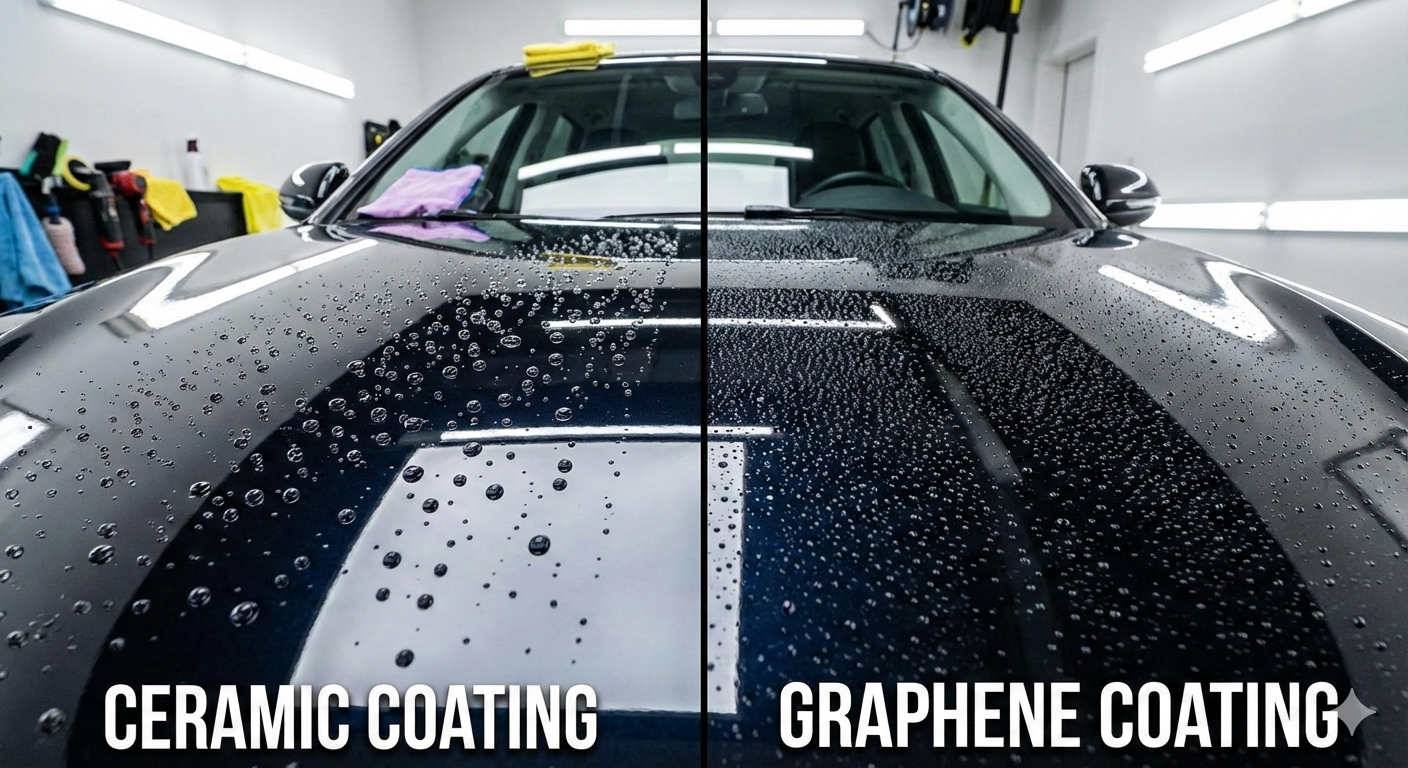
Ceramic coatings create a smooth layer that repels dirt and water, reducing the need for frequent washing.
What Is Graphene Car Protection?
Graphene coating is a newer innovation in automotive protection. It uses graphene-infused technology to create a durable and heat-resistant protective layer on the vehicle’s surface.
Key Features of Graphene Coating
● Higher durability compared to traditional ceramic
● Improved heat dissipation
● Strong hydrophobic properties
● Reduced water spotting
● Long-lasting gloss
Ceramic vs. Graphene Car Wash: Key Differences
1. Durability
Graphene coatings generally offer enhanced durability and resistance to environmental factors. Ceramic coatings are also durable but may require more frequent maintenance depending on usage.
2. Heat Resistance
Graphene technology improves heat dissipation, which reduces the risk of water spots and surface damage in high-temperature environments.
3. Water Repellency
Both options provide excellent hydrophobic properties, but graphene coatings often reduce water spotting more effectively.
4. Gloss and Appearance
Ceramic coatings are widely recognized for delivering a deep, glossy finish. Graphene coatings also enhance shine while adding additional durability.
5. Cost Consideration
Graphene treatments may cost slightly more due to advanced materials, while ceramic options are often more widely available at varied price points.
Benefits of Choosing Ceramic Protection
● Proven and widely trusted technology
● Strong surface bonding
● Enhanced paint clarity
● Affordable compared to newer alternatives
● Ideal for daily-use vehicles
Ceramic coatings are a reliable option for drivers seeking balance between protection and cost.
Benefits of Choosing Graphene Protection
● Increased longevity
● Superior resistance to environmental contaminants
● Improved heat management
● Reduced water spotting
● Advanced surface protection technology
Graphene coatings are ideal for car enthusiasts and owners seeking premium-level durability.
Which Protection Is Right for You?
Choosing between ceramic and graphene depends on several factors:
Choose Ceramic If:
● You want proven and reliable protection
● You prefer a high-gloss finish
● You seek cost-effective long-term care
● Your vehicle is used for daily commuting
Choose Graphene If:
● You live in high-heat environments
● You want maximum durability
● You want advanced technology protection
● You aim to reduce water spotting significantly
Both options provide excellent defense — your choice depends on your driving conditions and maintenance goals.
Why Professional Application Matters
No matter which coating you choose, professional application ensures maximum effectiveness. Proper surface preparation, paint correction, and precise coating techniques are essential.
Professional services like Cloud10 Smartwash use advanced tools and trained technicians to apply ceramic and graphene protection safely and evenly. Expert application ensures:
● Proper bonding
● Long-lasting durability
● Smooth finish
● Optimal performance
DIY applications may not provide the same level of protection.
Maintenance Tips After Applying Protection
To extend the life of your coating:
● Use pH-neutral car wash products
● Avoid harsh chemicals
● Schedule regular professional washes
● Dry the vehicle properly after washing
● Park in shaded areas when possible
Routine care preserves both ceramic and graphene coatings for years.
Common Mistakes to Avoid
Skipping Surface Preparation
Coatings must be applied on properly cleaned and corrected paint.
Using Cheap Products
Low-quality materials reduce durability and shine.
Assuming Coating Means No Maintenance
Even protected vehicles require proper care.
Applying in Improper Conditions
Humidity and temperature affect bonding quality.
Future of Car Protection Technology in 2026
Car protection technology continues to evolve with:
● Hybrid ceramic-graphene formulas
●Eco-friendly protective solutions
● Smart coatings with enhanced durability
● Self-healing surface technologies
Advanced protection systems help maintain vehicle value and appearance for longer periods.
Conclusion: Make the Right Protection Choice
Both ceramic and graphene car wash protection offer strong benefits. Ceramic coatings provide proven, glossy, and cost-effective protection, while graphene coatings deliver advanced durability and improved heat resistance.
The right choice depends on your budget, climate, and how long you want the protection to last. Consulting with professionals ensures you receive the most suitable solution for your vehicle.
If you are considering long-term paint protection, schedule a professional consultation and give your car the defense it deserves in 2026.
FAQs – Ceramic vs Graphene Car Protection
1. Is graphene better than ceramic coating?
Graphene offers enhanced durability and heat resistance, but both options provide strong surface protection and long-lasting shine.
2. How long does ceramic coating last?
The lifespan depends on product quality and maintenance, but ceramic coatings typically last from several months to multiple years.
3. Does graphene reduce water spots?
Yes, graphene coatings are known for improved hydrophobic properties, which help reduce water spotting.
4. Can I apply coating at home?
While DIY kits are available, professional application ensures proper bonding, even coverage, and longer durability.
5. Is paint protection worth the investment?
Yes, paint protection helps preserve your vehicle’s finish, enhances gloss, and maintains resale value over time.