That Mysterious White Dust on Your Paint Isn’t Snow, But We Know How to Clean it Off
You walk out to your car one morning, coffee in hand, and something stops you cold. There's a chalky white film all over your hood. You think: did it snow last night? Nope. Clear skies. What you're looking at is road salt – and the bad news is, it's been there a while. The worse news? It's not just sitting on your car’s exterior. It's chewing it up.
Road salt is basically winter's little gift to your vehicle: invisible at first, annoying at second, and genuinely corrosive at third. By the time spring rolls around and you're washing it off with a garden hose, the damage is already underway. That white crust is the residue of a chemical process your car's metal and paint did not ask to be part of.
Road Salt 101: The Silent Destroyer
Municipalities dump millions of tons of road salt every winter. It does its job on the roads beautifully – lowers the freezing point of water, keeps things driveable, saves lives. Great. The problem is that salt doesn't clock out when you pull into your driveway.
Sodium chloride, the main ingredient in road salt, is hygroscopic. That's a fancy word for “obsessed with moisture.” Once it lands on your car, it pulls water from the air, creates a brine, and that brine gets to work accelerating oxidation on any exposed metal. In plain English: it rusts your car faster than nature intended, which – for the record – was already not slow enough.
Paint protects metal. Salt attacks paint. It seeps into micro-scratches, works under the clear coat, and quietly compromises the finish while you're inside watching TV. The white chalky film you're seeing? That's the salt residue left behind after the water has evaporated. The salt? Still there. Still working.
Your car spent all winter collecting this stuff at highway speed. Every commute was a salt bath it didn't want.
The Undercarriage Problem Nobody Talks About
Here's the part people forget: you can't see the undercarriage. Most car owners – busy, reasonable, sane people – do not lie on their driveway in February to inspect the belly of their vehicle. Totally fair. But that's exactly where salt does its worst work.
The undercarriage is exposed to road spray from every direction. It's home to your brake lines, exhaust system, suspension components, and structural metal. None of these things love brine. All of them are unprotected by anything resembling aesthetics – there's no wax job, no polish, no one checking on them. They just sit there, collecting salt, all winter long.
Rust on your undercarriage is a structural issue, not a cosmetic one. It can compromise safety. It will definitely cost you money. A lot of car owners find this out at their spring inspection, which is an unpleasant way to learn it.
This is why underbody protection at a smartwash is not optional – it's the whole point.
Late Winter & Early Spring: The Most Dangerous Time of Year for Your Car
People assume January is the danger zone. January is a rookie concern. March and April – that's where the real damage happens, and here's why.
All winter, salt accumulates. It builds up in wheel wells, on brake components, under door sills, along the frame. Temperatures stay low, so the chemical reactions are slower. Then the thaw comes. Temperatures swing. Freeze-thaw cycles accelerate corrosion like someone hit fast-forward on a time-lapse of your car aging badly.
Wet salt is more corrosive than dry salt. Warm, wet, salty conditions? That's prime rust weather. Right now – late winter, early spring – your car is sitting in the middle of its most dangerous season and most people are out here thinking “oh it's warming up, I'll wash it soon.”
Soon is too late. The window for damage control is open right now.
Spring also brings a false sense of security. The roads look clean. It hasn't snowed in two weeks. But the salt from February is still on your car, still working through the freeze-thaw cycle. You can't see it doing damage, but it absolutely is.
What a Smartwash Actually Does About It
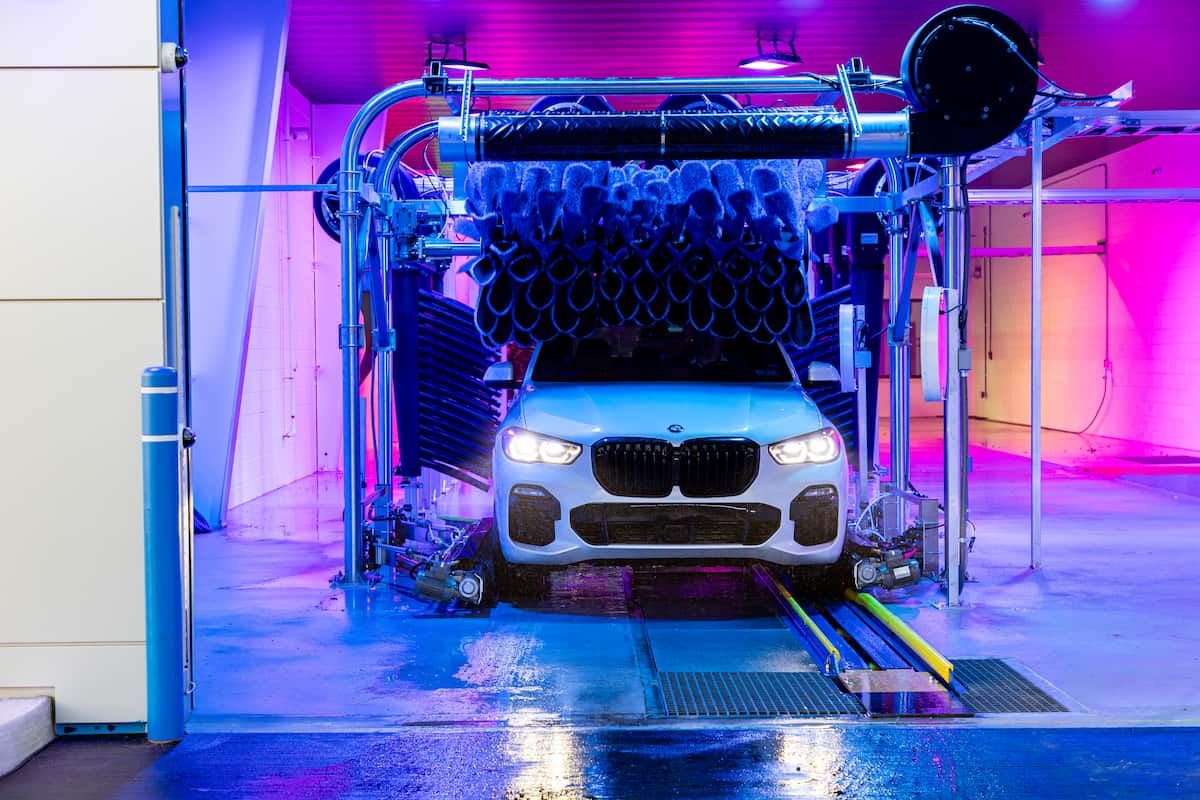
At Cloud10, every wash includes underbody winter protection – a targeted rinse under the car that flushes out the salt buildup your garden hose could never reach (at least not without a hydraulic lift and you probably don’t have one of those). The smart tunnel technology scans your vehicle, adjusts pressure and coverage accordingly, and makes sure nothing gets missed.
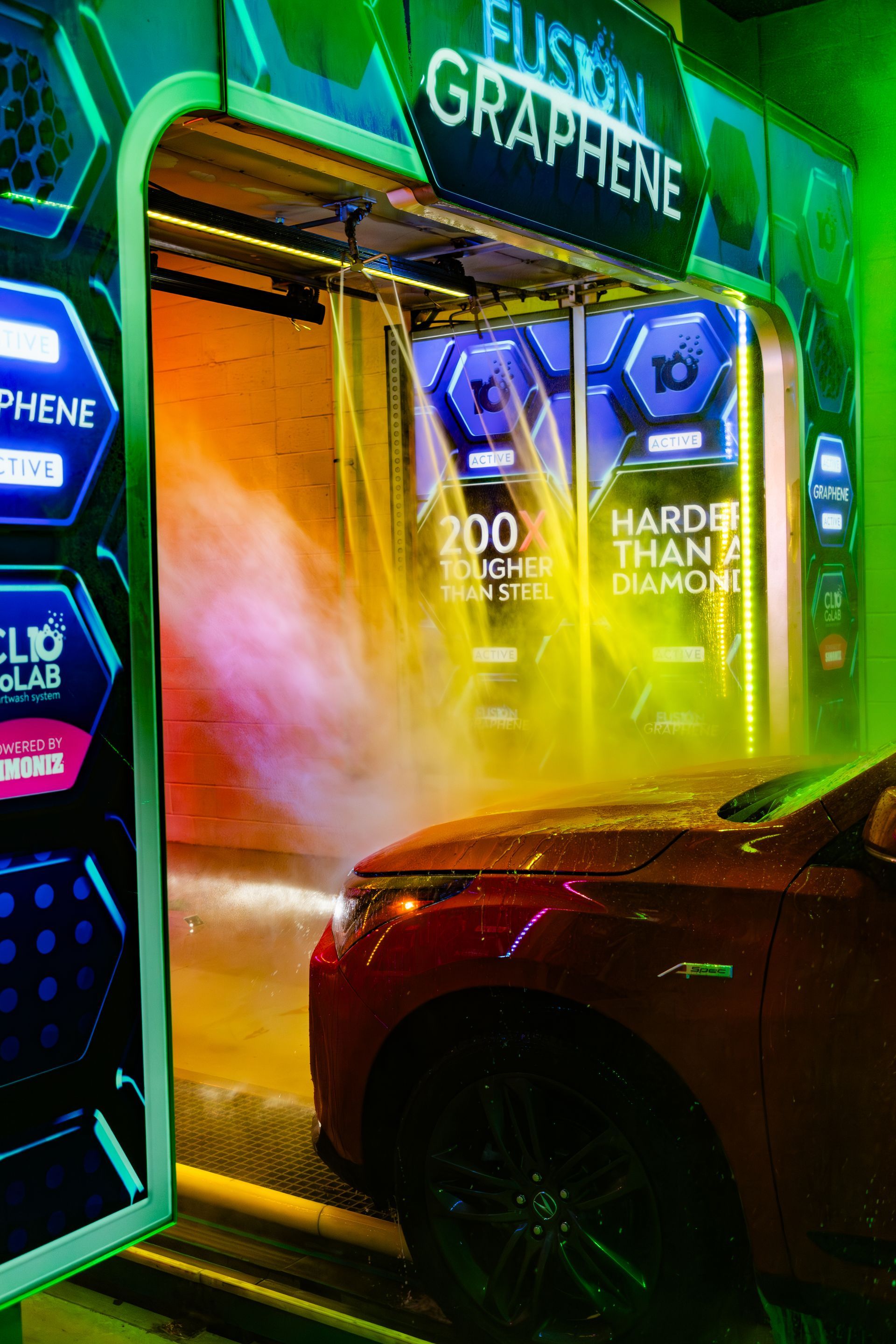
Our Fusion Graphene and Fusion Ceramic smartwash options go further. Graphene is 200 times stronger than steel. It seals your paint with a protective layer that salt, grime, UV rays, and general winter misery can't easily penetrate. Ceramic adds shine and long-term protection that keeps working between washes.
The Cloud10 CoLab with Simoniz means we're using top-shelf American made chemistry – not generic detergent cut to save a few bucks, but formulas developed specifically to clean, shine & protect. Your paint gets something that actually does the job.
Free Smartwash in PA & NJ – Right Now, Before Spring Gets Ahead of You
Winter left a calling card on your car. Salt in the undercarriage, film on the paint, corrosion looking for a foothold. This is the moment to deal with it – before the spring thaw turns a manageable situation into a repair bill.
Cloud10 smartwash locations across Pennsylvania and New Jersey are ready for you. Right now, you can get a free Smartwash in PA or a free Smartwash in NJ and see the difference for yourself.
Share this article